
Table of Contents
Blue Eye Samurai
In the 17th-century isolation of Japan, a time when the nation sealed its borders to the outside world, encountering a non-Japanese face was a rarity. Within this closed realm, Mizu (portrayed by Erskine), our central figure, discovers that only four white men existed in Japan around the time of her birth. Fueled by a desire for retribution and a haunting uncertainty about her own origin, Mizu embarks on a perilous journey to eliminate these men—one of whom might be her father, the source of her perceived “creature of shame” status. However, societal norms dictate that revenge is not an avenue available to women, compelling Mizu to conceal not only her purpose but also her gender and distinctive blue eyes.
Mizu’s odyssey is intertwined with the fates of other compelling characters, including Ringo (played by Masi Oka), an ambitious soba maker yearning for greatness; Taigen (Darren Barnet), a haughty samurai whose rivalry with Mizu results in an uneasy alliance; and Princess Akemi (Brenda Song), Taigen’s affianced, whose opulent existence serves as a striking counterpoint to Mizu’s own. The pursuit of vengeance propels us through the landscape of Edo-era Japan in a visually arresting and thought-provoking series that seamlessly blends vivid adult animation with a touch of live-action authenticity.
Set against the backdrop of Japan’s Edo period, Mizu, a half-white, half-Japanese swordswoman, becomes the central force in a quest for justice. Her target: four white men who defy the restrictions imposed by the Tokugawa shogunate, leading viewers on a journey through a realm where revenge and societal expectations converge in a captivating narrative.
Is Mizu a real person?
Blue Eye Samurai . The genesis of Mizu’s character and the captivating narrative that surrounds her didn’t happen by chance; instead, it emerged from a thoughtful process of introspection and research. Noizumi and Green, the imaginative minds behind the series, were inspired to create Mizu after the birth of their child, who happened to have striking blue eyes. This prompted Noizumi, who is half-Japanese, to question the societal significance attached to such features. She found herself pondering, “Why am I so excited that my daughter has blue eyes? What’s the big deal about that? And why am I so excited that I have a baby who looks more white?”
These musings set the stage for creative conversations that spanned a remarkable 15 years. In the early stages, the duo envisioned a narrative set in the Edo period of 17th-century Japan, exploring the idea that during that time, it would have been considered illegal or undesirable to possess features associated with being white. As Green recalled, “We said something like, ‘She’s like a little blue-eyed samurai.’ I wrote that down, knowing it was a good title.”
Collaborating with Noizumi and Green were Jane Wu, serving as supervising director and producer, Erwin Stoff as executive producer, and Blue Spirit as the animation studio. Wu, much like Noizumi, felt a personal connection to Mizu’s journey. Understanding Mizu’s decision to disguise herself as a man resonated with Wu, as it reflected the limited choices women faced during the early Edo period. She shared, “Describing Mizu is almost like describing myself in the way that her journey of self-acceptance was a journey I had to go on.”
Wu’s experience in a male-dominated industry echoed Mizu’s struggle. “Starting in this industry, I was in a very male-dominant industry, and I noticed that if I put in my portfolio with my name on it, I generally wouldn’t get the job because I was female,” she revealed. Similar to Mizu’s path, Wu faced challenges due to her gender. She adapted by using her initials, allowing her work to speak for itself. “That’s kind of what Mizu went through to complete her revenge, and I guess that’s what I’m doing — completing my revenge,” Wu concluded. Blue Eye Samurai
In Mizu’s character and journey, a profound exploration of identity, societal expectations, and personal resilience unfolds. Through the collaborative efforts of Noizumi, Green, Wu, and the rest of the creative team, Mizu’s story comes to life as a compelling and relatable narrative, resonating with themes that transcend both time and cultural boundaries. Blue Eye Samurai
Episode Summary
Blue Eye Samurai . Mizu embarked on a perilous journey driven by an insatiable thirst for vengeance against four European men who bore witness to her birth during the defiance of Sakoku in Japan. Her relentless pursuit was fueled by the possibility that one of these men might be her elusive father. Having already dispatched one of her targets, she assumed the guise of a man and confronted a “flesh-trader” in a ramen shop, extracting from him the name of the weapons dealer, Heiji Shindo. Ringo, a humble kitchen attendant, pleaded to become her apprentice.
While Ringo immersed himself in the town festivities, Mizu honed her skills on the cliffs above. Memories resurfaced of an assassin named Blood-soaked Chiaki, who had duped her and Sword-father into forging a sword that ultimately shattered during the process. The Four Fangs, led by Chiaki wielding the broken blade, caught up with Mizu. In a fierce cliffside battle, she managed to eliminate all four adversaries but not without sustaining significant injuries. Taigen, who had been trailing Mizu, revealed himself and issued a challenge. However, Mizu’s collapse due to blood loss stayed Taigen’s hand.
Meanwhile, Seki and Akemi’s search for Taigen faced a detour as they encountered brigands. Losing their possessions, they resorted to hiring a cart with Akemi’s last pieces of jewelry, only to discover they had been traveling in the wrong direction. Seki proposed abandoning the search for Taigen in favor of accepting a marriage proposal he brought from Akemi’s father. Furious, Akemi tricked a flesh trader into aiding her pursuit.
Ringo intervened to rescue the unconscious Mizu and Taigen, transporting them to the Sword Father’s hut. Mizu, with the assistance of Ringo and Sword Father, reforged her blade. Yet, she chose to delay its completion until after exacting her revenge, a decision concurred by Sword Father, who pledged to craft a new sword for her. Mizu’s burgeoning romantic relationship with Taigen soured when she revealed Akemi’s imminent marriage to the shogun’s second son and the impending attack on the shogunate by Fowler’s army. In response, Taigen rejected the broken blade, opting to journey to Edo to defend the shogunate. Mizu and Ringo resolved to accompany him. Blue Eye Samurai .
Tasking Ringo to wait in the sewers, Mizu ventured to rescue Akemi. Taigen found Ringo, and together, they planned to alert the Shogun about the impending attack. The assault unfolded with Fowler’s army breaching the castle’s defenses. Seki and Akemi found themselves outnumbered until Mizu intervened. Heiji facilitated Fowler’s entry, resulting in the shogun’s demise, but Mizu spared Fowler’s life, inadvertently causing a massive fire while attempting to prevent his escape. Fowler revealed Mizu’s true origins and the abandonment by the woman she thought was her mother. Akemi chose to remain at court, sealing the castle gates to trap Fowler’s men in the inferno. Seki was shot in the process. At the bridge, Taigen offered to elope with Akemi, but she declined, opting to pursue greatness. Ringo, presuming Mizu perished, returned to Sword Father. The final scene depicted Mizu on a ship, holding Fowler captive, as her quest unfolded on the seas. Blue Eye Samurai .
Release Date
The series made its debut on Netflix on November 3, 2023, encompassing a total of 8 episodes. Interestingly, the inaugural episode premiered a couple of days earlier on November 1, exclusively on Netflix’s YouTube channel, offering a sneak peek for eager viewers.
Adding to the intrigue, a distinctive version of episode 6 was unveiled on November 15, 2023, again on Netflix’s YouTube channel. This particular rendition of the episode boasts a predominantly black-and-white color scheme, deviating from the standard palette employed throughout the series. Moreover, the soundtrack accompanying this special edition has undergone notable alterations, contributing to a unique and differentiated viewing experience for the audience.
The decision to release an alternate version of episode 6 suggests a creative exploration of storytelling techniques or a desire to present a narrative in a way that deviates from the established norms of the series. By opting for a black-and-white aesthetic and modifying the soundtrack, the creators have likely aimed to evoke a distinct atmosphere, fostering a heightened sense of artistic expression and creative experimentation.
Viewers who engage with this special release can anticipate a visually and aurally distinct episode, potentially offering a fresh perspective on the storyline and characters. This deviation from the standard presentation adds an element of intrigue for fans, inviting them to explore the series in a more nuanced and artistic manner, showcasing the flexibility and creative possibilities within the realm of episodic storytelling.
| Movie Name | Release Date |
|---|---|
| “Hammerscale” | 3 November 2023 |
| “An Unexpected Element” | 3 November 2023 |
| “A Fixed Number of Paths” | 3 November 2023 |
| “Peculiarities” | 3 November 2023 |
| “The Tale of the Ronin and the Bride” | 3 November 2023 |
| “All Evil Dreams and Angry Words” | 3 November 2023 |
| “Nothing Broken” | 3 November 2023 |
| “The Great Fire of 1657” | 3 November 2023 |
Movie Cast
Top Four Cast
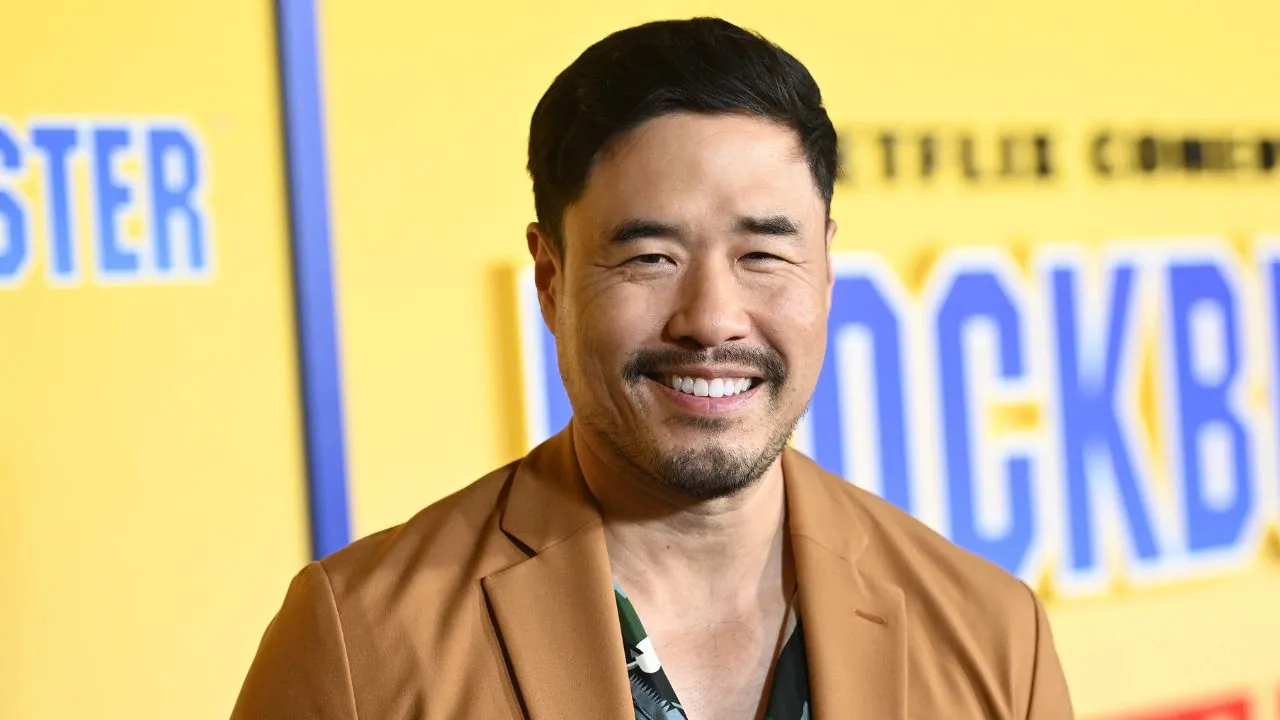



• Maya Erskine as Mizu: A blue-eyed rōnin of mixed race.
• Masi Oka as Ringo: An optimistic cook without hands, who deeply admires Mizu.
• Darren Barnet as Taigen: A talented yet arrogant swordsman with humble origins.
• Brenda Song as Princess Akemi: The pampered but strong-willed daughter of a nouveau riche lord.
• George Takei as Seki: Princess Akemi’s tutor.
• Randall Park as Heiji Shindo: Fowler’s nominal jailor and accomplice.
• Cary-Hiroyuki Tagawa as Master Eiji: A blind blacksmith who raised Mizu.
• Kenneth Branagh as Abijah Fowler: A smuggler and inventor allied with the Shogun, in secret defiance of Japan’s Sakoku closed-door policies.
• Stephanie Hsu as Ise: A prostitute.
• Ming-Na Wen as Madame Kaji: A cunning and savvy madam.
• Harry Shum Jr. as Takayoshi: The Shogun’s second son.
• Mark Dacascos as Chiaki: An assassin.
• Orli Mariko Green as Young Mizu.
• Judah Green as Young Taigen.
• Patrick Gallagher as Lord Daichi: Akemi’s father.
In the epic tale of intertwining destinies and clandestine alliances, Maya Erskine assumes the role of Mizu, a captivating rōnin of mixed heritage, her azure eyes reflecting the complexities of her journey. Masi Oka embodies Ringo, an unwaveringly optimistic cook with an unusual affliction – he lacks hands, yet idolizes Mizu with unparalleled devotion.
Darren Barnet, as Taigen, paints the canvas with the hues of a promising yet conceited swordsman, emerging from humble beginnings. Brenda Song breathes life into Princess Akemi, a paradoxical character – pampered yet possessing an unyielding will, being the daughter of a nouveau riche lord. George Takei, the venerable Seki, stands as the wise tutor to Princess Akemi, imparting knowledge and guidance.
Randall Park steps into the role of Heiji Shindo, a nominal jailor ensnared in a web of intrigue alongside Abijah Fowler, portrayed by the enigmatic Kenneth Branagh. Fowler, a cunning smuggler and inventor, aligns himself with the Shogun in clandestine defiance of Japan’s Sakoku closed-door policies.
Cary-Hiroyuki Tagawa assumes the mantle of Master Eiji, a visually impaired blacksmith who shaped Mizu’s destiny with skill and care. The ensemble cast further unfolds with Stephanie Hsu as Ise, a character that adds depth and nuance as a prostitute, and Ming-Na Wen, the astute Madame Kaji.
Harry Shum Jr. takes on the role of Takayoshi, the Shogun’s second son, introducing a layer of intrigue to the political landscape. Mark Dacascos embodies Chiaki, an enigmatic assassin whose presence casts shadows of uncertainty. The past is brought to life through the performances of Orli Mariko Green as Young Mizu, Judah Green as Young Taigen, and Patrick Gallagher as Lord Daichi, the influential father of Princess Akemi. Together, this ensemble weaves a tapestry of characters, each contributing a thread to the rich and intricate narrative of their entwined fates.
Movie Information
| Name | Info |
|---|---|
| Created |
|
| Directed | Jane Wu |
| Composer | Amie Doherty |
| Country of origin | United States |
| Language | English |
| Episodes | 1to 8 |
| Series | 1 |
| Producers |
|
| Editors |
|
| Time | 35–62 minutes |
| Production |
|
| Network | Netflix |
| Budget | N/A |